Source ASME Steel Support for Construction, Industrial, and Tracking Uses
Find reliable asme steel support solutions for construction, industrial, and tracking applications. Compare 30 customizable steel props and brackets with features like galvanized finishes, adjustable lengths, and CE/ISO certifications to meet your specific project requirements; compare the available evidence and request quotations based on your requirements.
Key considerations
Products List


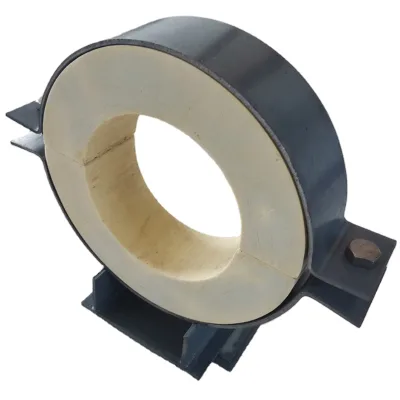
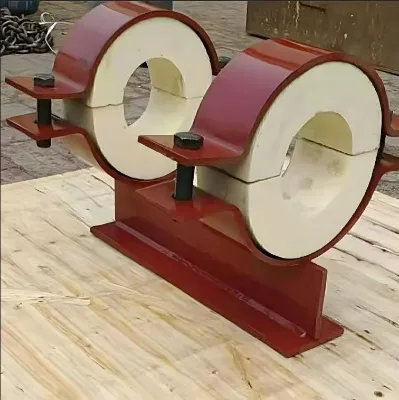
Steel Pipe Anchored Support for Slope
$600.00 - $1499.00
Moq: 30
Jiangsu Green Bio-Environmental Protection Technology Co., Ltd.




Comprehensive Sourcing Guide
ASME Steel Support Sourcing Guide
Procuring ASME-compliant steel supports requires distinguishing between generic structural components and specialized items designed for specific industrial loads. The available market data indicates a diverse range of products, including steel props and tracking brackets, which often serve as critical load-bearing elements in construction and industrial settings. Buyers must carefully align their specific engineering requirements with the observed product attributes, such as adjustable lengths ranging from 1.2m to 3.6m and customizable diameters, to ensure the selected support meets the precise demands of their project.
The sourcing landscape reveals significant variation in material specifications and surface treatments, necessitating a rigorous verification process before finalizing any order. While some listings highlight galvanized finishes and high-intensity capabilities, others emphasize custom manufacturing based on client drawings. This variability underscores the importance of defining clear technical parameters early in the procurement cycle, ensuring that the chosen supplier can deliver components that satisfy both the structural integrity requirements and the environmental conditions of the intended application.
Product Scope and Observed Listing Signals
The observed product catalog includes distinct categories such as steel props and tracking brackets, each serving unique functions within industrial and building infrastructure. Steel props are frequently utilized for temporary or permanent structural support, often featuring adjustable lengths and customizable heights to accommodate varying site conditions. In contrast, tracking brackets are designed for specific mounting applications, offering high earthquake resistance and good overall stiffness, which makes them suitable for environments subject to dynamic loads or seismic activity.
Listing signals indicate that customization is a primary driver for many of these steel support solutions, with suppliers offering tailored designs based on customer drawings and specific material requests. The market data shows that products can be sourced with varying surface treatments, including pre-galvanized and fully galvanized finishes, to enhance durability against corrosion. Buyers should note that while some items come in standard packaging like wooden cases or cartons, others may require custom strapping or bundling, reflecting the diverse nature of the supply chain and the need for flexible logistics planning.
Technical Specifications to Verify
When evaluating steel supports, verifying the material composition and thickness is paramount to ensuring structural reliability. The available data suggests that materials are often supplied as per request, with specific mentions of steel grades and thicknesses ranging from 1.8mm to 2.5mm. Buyers must confirm that the selected material meets the required tensile strength and yield points for their specific application, as the "light weight" and "high intensity" attributes observed in some listings may not apply universally to all product variants.
Surface treatment and dimensional accuracy are equally critical factors that directly impact the longevity and fit of the support system. Listings indicate that finishes such as galvanization are available to provide anticorrosive protection, which is essential for outdoor or harsh industrial environments. Additionally, specifications like adjustable lengths and customizable diameters require precise measurement verification to ensure compatibility with existing infrastructure, preventing installation errors that could compromise the safety and stability of the entire structure.
Compliance and Safety Documentation
Navigating the compliance landscape for steel supports involves verifying a range of certifications that validate the product's adherence to international safety and quality standards. The market data confirms the availability of certifications such as CCC, CE, ISO, TUV, and GB, which serve as indicators of a supplier's commitment to meeting rigorous regulatory requirements. Buyers should request specific certification documents for each batch of products to ensure that the steel supports have undergone the necessary testing and quality assurance procedures before shipment.
In addition to product certifications, the Certificate of Origin is a crucial document that can influence import duties and regulatory acceptance in the destination country. Suppliers often provide this document as per request, allowing buyers to verify the manufacturing location, which is listed as either Weifang City, Shandong Province, or Hebei Province, China. Ensuring that the Certificate of Origin aligns with the specific requirements of the importing country helps mitigate potential customs delays and ensures that the procurement process remains compliant with all relevant trade regulations.
Cost Drivers and Commercial Terms
The pricing for ASME steel supports is influenced by a complex interplay of factors, including material costs, customization levels, and surface treatment requirements. The observed price range spans from $0.04 to $1499, reflecting the vast difference between standard off-the-shelf components and highly engineered, custom-manufactured solutions. Buyers must carefully analyze the cost implications of specific design choices, such as selecting a galvanized finish or requesting a custom drawing, as these factors can significantly impact the final unit price and total project budget.
Commercial terms, particularly regarding Minimum Order Quantity (MOQ) and packaging, play a vital role in the overall cost structure and logistics planning. The data indicates an MOQ range of 1 to 1000 units, offering flexibility for both small-scale projects and large industrial deployments. Packaging options vary from standard wooden cases and cartons to specialized plywood boxes and pallets, with some items requiring custom strapping. Understanding these terms allows buyers to optimize their inventory levels and shipping costs while ensuring that the products arrive in optimal condition.
Supplier Qualification and Quality Control
Selecting a qualified supplier for steel supports requires a thorough assessment of their manufacturing capabilities and quality control processes. The observed data highlights that many suppliers offer processing "as per your drawing," indicating a high degree of flexibility and customization capability. However, buyers must verify that the supplier has the necessary infrastructure to maintain consistent quality across custom orders, ensuring that the final product meets the specified dimensions, material grades, and surface treatments without deviation.
Quality control extends beyond the manufacturing stage to include rigorous inspection of the finished product against established standards. The presence of standards like SGS and ISO in the product listings suggests that some suppliers adhere to recognized quality management systems. Buyers should request detailed quality inspection reports and test results to confirm that the steel supports meet the required performance criteria, such as high toughness and good stiffness, before accepting delivery and integrating them into their projects.
Long-Term Procurement Checks
Establishing a long-term procurement strategy for ASME steel supports involves regular audits of supplier performance and product consistency over time. Buyers should implement a schedule for periodic quality checks to ensure that the materials and finishes remain consistent with the initial specifications, particularly for critical applications where structural integrity is paramount. This proactive approach helps identify any potential issues early, allowing for corrective actions before they impact the safety or functionality of the installed support systems.
Furthermore, maintaining a robust relationship with suppliers is essential for securing reliable lead times and responsive service in the event of future project needs. The observed lead times and production capabilities vary, so buyers should negotiate clear terms regarding delivery schedules and contingency plans for supply chain disruptions. By fostering a collaborative partnership with qualified suppliers, organizations can ensure a steady supply of high-quality steel supports that meet their evolving engineering and operational requirements.
FAQs
Can asme steel support be customized for specific projects?
Yes, customization is available for asme steel support products. Buyers can request specific materials, dimensions, and surface treatments such as galvanizing. The manufacturing process follows customer drawings or specifications. This ensures the final product meets exact engineering requirements and site conditions for industrial applications.
What certifications are provided for asme steel support?
Certifications typically include CE, ISO, CCC, TUV, and GB standards. These documents verify compliance with international quality and safety regulations. Buyers can request specific certificates of origin or material test reports. Ensuring proper certification is critical for passing inspections and meeting regulatory requirements in various global markets.
What is the typical packaging for asme steel support?
Products are usually packed in wooden cases, plywood boxes, or cartons. Some items use strapping and bundling for secure transport. The package size is often around 60cm by 45cm by 40cm. This robust packaging protects the steel components from damage during sea or air freight shipping to international destinations.
How is the surface treated for asme steel support?
Surface treatment often includes galvanizing to prevent corrosion. Options may include pre-galvanized finishes or other protective coatings based on request. This treatment enhances durability and extends the service life of the steel support. It is essential for maintaining structural integrity in harsh environmental conditions or outdoor industrial installations.
What are the shipping options for asme steel support?
Shipping is available by sea or air depending on urgency and volume. Sea freight is cost-effective for large orders, while air freight suits urgent needs. The origin is typically in China, such as Shandong or Hebei provinces. Logistics providers handle the transport of packed steel components to the designated port or warehouse.
What is the minimum order quantity for asme steel support?
The minimum order quantity ranges from 1 to 1000 units. This flexibility allows buyers to order small samples or bulk quantities. Suppliers accommodate various procurement scales for industrial projects. Buyers should confirm specific MOQs with manufacturers to ensure alignment with production schedules and inventory requirements for their specific supply chain.